How your environment affects ADHD
Your environment isn't just your backdrop it's your invisible business partner, either supporting your ADHD brain or sabotaging it every single day.
I used to think I was just 'messy' or 'disorganised.' That if I could just try harder, be more disciplined, I'd finally get my act together. What I didn't realise was that my environment was working against me at every turn.
The ADHD Brain and Environmental Overwhelm
Here's what nobody tells you about ADHD and your surroundings: your brain processes every single thing in your visual field, whether you're consciously aware of it or not. That pile of papers? Your brain sees it. The cluttered desk? Processing it. The open browser tabs? All demanding mental energy.
Whilst neurotypical brains can filter out environmental 'noise,' our ADHD brains struggle with this natural filtering system. Everything feels equally important, equally urgent, equally distracting.
Does environment play a role in ADHD?
Your environment becomes your enemy when it creates decision fatigue before you've even started working. Every visible item represents a micro-decision your brain has to make. Should I deal with this? File this? Throw this away? By the time you sit down to work, you're already mentally exhausted.
Triggers your 'shiny object syndrome’ - That interesting book catches your eye mid-task. The craft supplies remind you of the project you abandoned. The stack of courses you bought but never completed whispers of your 'failures.'
Amplifies your emotional state - Clutter creates visual chaos that mirrors internal overwhelm. When your space feels out of control, you feel out of control.
Steals your working memory - With limited working memory to begin with, having to mentally track where everything is leaves little capacity for the actual work you're trying to do.
The Invisible Saboteurs
Visual clutter even organised clutter competes for your attention. Your brain doesn't distinguish between 'good' mess and 'bad' mess.
Inconsistent systems that work sometimes but not others create constant low-level stress as you never know if today will be a 'system works' day or a 'system fails' day.
Multi-purpose spaces where you try to work, eat, and relax in the same area confuse your brain about what mode it should be in.
Perfectionist paralysis zones spaces that must be 'perfect' before you can work in them, which means you rarely work at all.
What kind of environment do ADHD people thrive in?
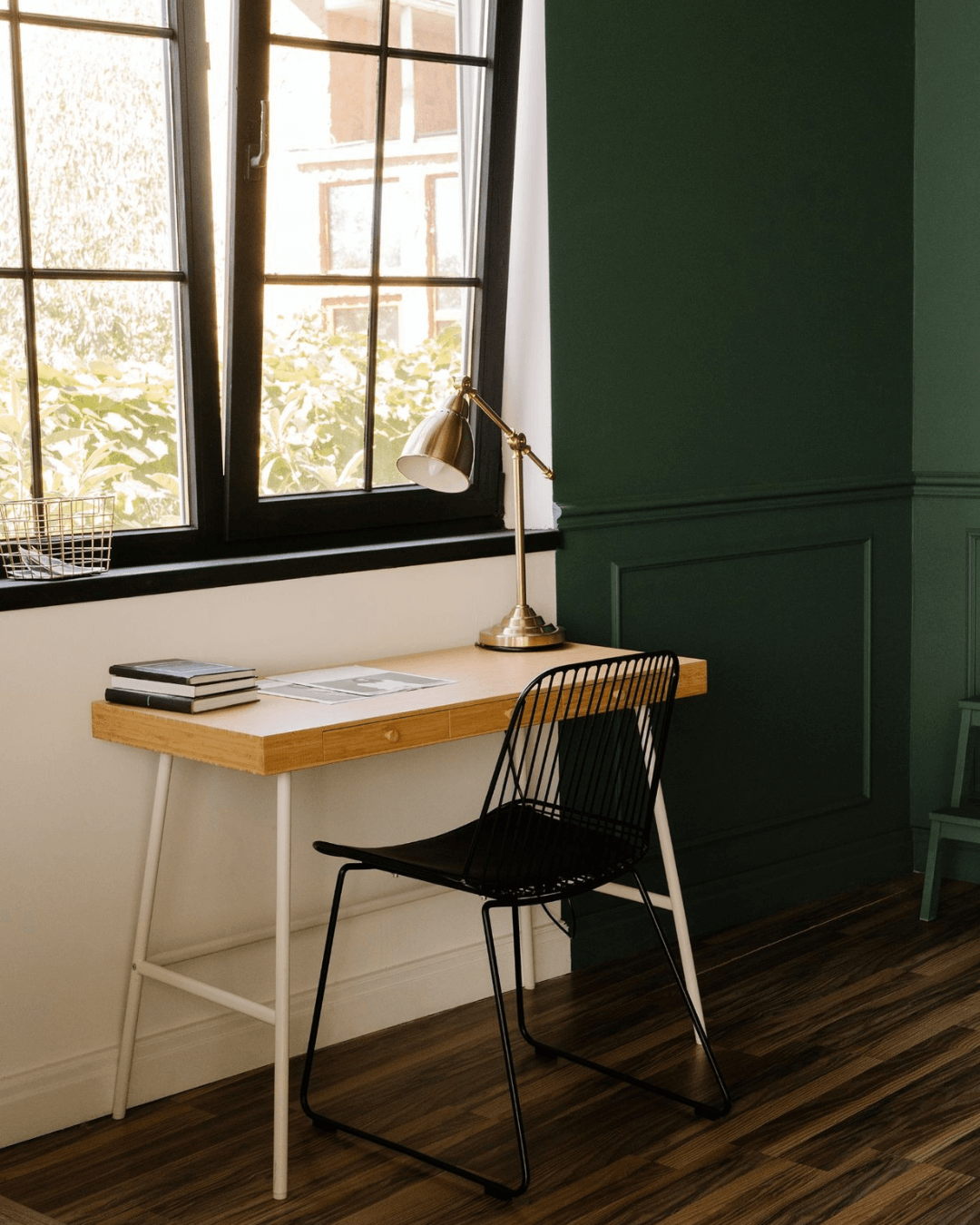
Well here's the beautiful truth: when you design your environment to work with your ADHD brain instead of against it, magic happens.
Clear surfaces create clear thinking. Not because you're suddenly 'organised,' but because you've removed the visual competition for your attention.
Designated zones help your brain switch modes. This corner is for focused work. This chair is for creative thinking. This space is for rest.
Visual cues replace memory demands. Instead of trying to remember where everything is, your environment reminds you. The notebook always lives in the same spot. The project materials have a designated home.
Comfort supports capacity. Good lighting reduces eye strain. A comfortable chair prevents fidgeting. The right temperature keeps you alert but not agitated
The Sustainable Approach to Environmental Design
This isn't about creating Instagram-worthy spaces or buying expensive organisational systems. It's about understanding how your unique brain interacts with your surroundings and making gentle adjustments that compound over time.
Start with subtraction, not addition. Before buying storage solutions, remove what doesn't belong. Your brain will immediately feel the relief of less visual input to process.
Create 'landing zones' for the things that constantly migrate around your space. Keys, phone, current project materials, they need homes, not hiding places.
Design for your worst days, not your best ones. When you're overwhelmed, exhausted, or in a rush, what does your space need to support you? That's your baseline design.
Work with your natural patterns, not against them. If you always dump your bag by the door, put a designated spot there instead of fighting to change the habit.
The Ripple Effect
When your environment supports your ADHD brain, the effects ripple through every area of your life. You spend less time looking for things and more time doing things that matter. You feel calmer in your own space. You can think more clearly. You trust yourself more because your systems actually work.
Your environment becomes a foundation for sustainable success rather than a source of daily frustration.
Your Space, Your Rules
Remember: there's no 'right' way to organise an ADHD space. What matters is that it works for your brain, your life, and your natural rhythms. Some of us need everything visible. Others need everything hidden. Some thrive in cosy, cluttered spaces. Others need stark minimalism.
The goal isn't perfection, it's partnership. Your environment working with you, not against you.
Because when you're not fighting your space, you have so much more energy for the work that actually matters.


Paula Hirst is an ADHD coach and mentor based in Dubai, with her own lived experience of ADHD and a passion for helping others understand their brains.
Meditation sits at the heart of how Paula approaches her own wellbeing, and you'll find that quiet, intentional thread running through much of what she shares here.
She believes that knowledge is only useful when it's honest so expect straight-talking insights, a little spirituality and zero judgement.
Stay informed with valuable ADHD and mindfulness tips delivered straight to your inbox.
ADHD & Alchemy - ADHD coaching for women at work and in business, Dubai and worldwide.


Created with ©systeme.io
All Rights Reserved.