What happens after an ADHD diagnosis?
Your ADHD diagnosis came with a promise: finally understanding your brain would change everything.
But here you are, six months later, still drowning in the same overwhelm, wondering why all the strategies that work for everyone else seem to bounce right off you. This can be the case for many and especially those who decide not to go down the medication route.
The Myth of Universal ADHD Solutions
We've been sold the story that ADHD comes with a standard instruction manual. Use the Pomodoro Technique. Create morning routines. Time-block your calendar.
But here's what nobody tells you: whilst we share common patterns, your ADHD has its own fingerprint.
Your hyperactivity might show up as mental restlessness whilst your friend's is physical fidgeting. Your executive function struggles might centre around task initiation, whilst theirs involve task switching. Your sensory processing might crave stimulation whilst theirs seeks calm.
This is why the productivity hack that transformed your ADHD Facebook group friend left you questioning yourself because it didn’t work for you.
With one possible exception. So far I have not found a person that body-doubling does not work for. If you are not using body doubling to get things done I seriously urge you to try it.
The Integration Gap: From Knowing to Living
There's a canyon-sized gap between understanding your ADHD and actually living differently. You can recite dopamine science, explain rejection sensitivity, and identify your triggers. But knowledge without integration is just expensive self-awareness.
Integration happens when you stop asking "What should I do?" and start asking "What works for me?"
Building Your Bespoke ADHD Systems
Sustainable systems aren't built from productivity blogs - they're grown from honest observation of your unique patterns. Here's how to begin:
Start With Your Natural Rhythms
Notice when your brain naturally wants to focus versus when it wants to wander. Your ADHD brain has its own tidal patterns. Instead of fighting them, build your systems around them.
Ask yourself: When do I naturally have the most mental clarity? When does my brain fog roll in? What time of day do I feel most creative versus most analytical?
Honour Your Sensory Needs
Your environment dramatically impacts your ability to function. Some ADHD brains need background noise to focus; others need silence. Some need visual simplicity; others thrive in organised chaos.
Experiment: What lighting helps you concentrate? What sounds support your focus? What level of visual stimulation feels optimal?
Design for Your Executive Function Profile
Not all executive function challenges are created equal. Identify your specific struggle points:
- Task initiation issues? Create micro-starts and environmental cues
- Working memory challenges? Build external memory systems
- Time blindness? Develop time awareness anchors
- Emotional regulation difficulties? Install pause-and-breathe protocols
Work With Your Dopamine Patterns
Your brain's reward system has preferences. Notice what naturally motivates you versus what you think should motivate you.
Some ADHD brains are driven by novelty, others by competition. Some need external accountability, others rebel against it. Some thrive on variety, others need consistent structure.
The Art of Gentle Experimentation
Building personalised systems requires patience and self-compassion. You're not trying to fix yourself - you're learning to work with your unique wiring.
Start small. Choose one area that's consistently challenging and experiment with one small adjustment. Notice what happens without judgment. Adjust. Try again.
This isn't about perfection - it's about progress that actually sticks because it honours who you are, not who you think you should be.
Your Brain Is Bespoke
The most sustainable ADHD systems aren't borrowed - they're built through gentle observation of your own patterns, needs, and natural rhythms. When you stop trying to fit into someone else's productivity template and start designing for your unique brain, everything changes.
Your need for different systems isn't a problem. It's simply information about how to create a life that works with your brain instead of against it.
The integration you're seeking is discovered through the brave act of trusting your own experience and building from there.
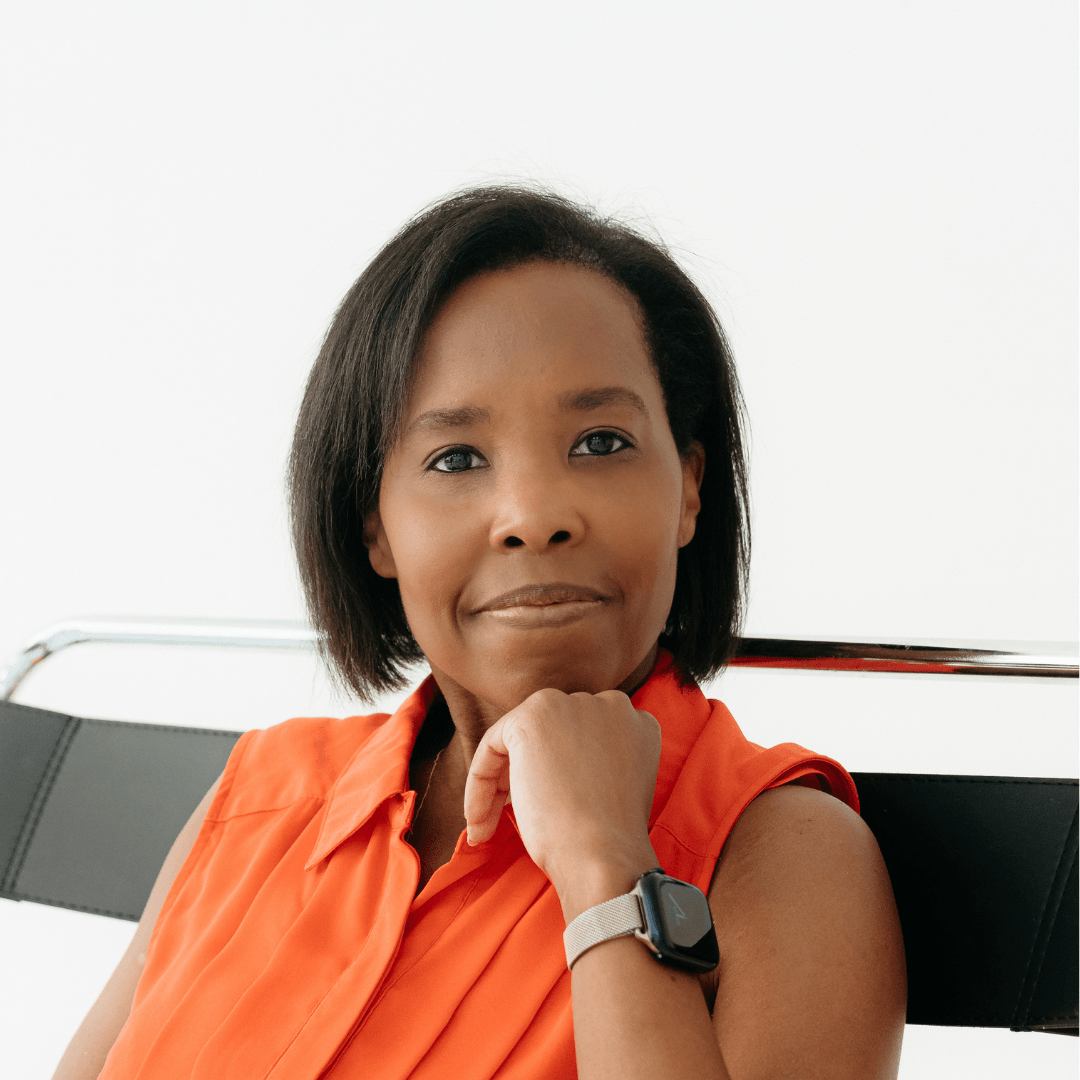

Paula Hirst is an ADHD coach and mentor based in Dubai, with her own lived experience of ADHD and a passion for helping others understand their brains.
Meditation sits at the heart of how Paula approaches her own wellbeing, and you'll find that quiet, intentional thread running through much of what she shares here.
She believes that knowledge is only useful when it's honest so expect straight-talking insights, a little spirituality and zero judgement.
Stay informed with valuable ADHD and mindfulness tips delivered straight to your inbox.
ADHD & Alchemy - ADHD coaching for women at work and in business, Dubai and worldwide.

Created with ©systeme.io
All Rights Reserved.